
Some landlords in Monroe treat every repair as its own separate event. That approach works fine until the second or third call for the same issue rolls in, and by then you're usually looking at a bigger problem than a leaky faucet. Getting your rentals winter-ready with a complete plan each year is one way to catch these patterns before the cold weather makes them worse.
Owners who pay attention to repeated repairs tend to catch failing systems early. Owners who don't usually end up paying for the same fix multiple times before finally replacing what needed to be replaced from the start.
Key Takeaways
- Repeat maintenance calls in Monroe rentals usually point to aging systems, not a coincidence.
- Reviewing a full repair history reveals patterns a single work order never shows.
- New Jersey's seasonal swings speed up wear on plumbing, roofing, and HVAC equipment.
- Planning replacements ahead of failure protects your budget and your tenant relationships.
- A dependable contractor network makes it easier to catch problems while they're still small.
Why the Same Problem Keeps Showing Up
Every system in a rental property has a limited lifespan, and once it starts failing, quick fixes stop being enough.
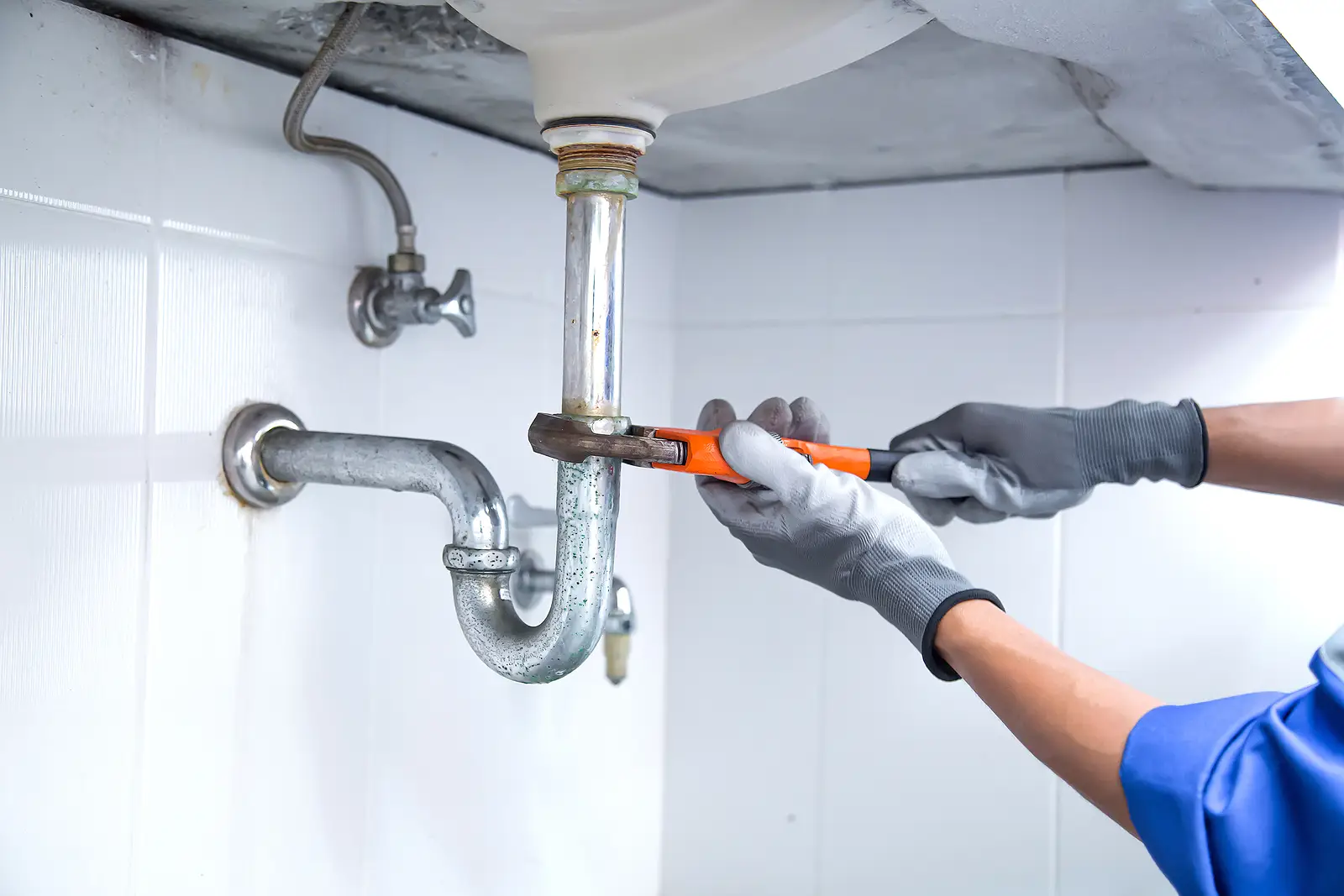
Plumbing tends to show this clearly. A leak at one joint often means corrosion has already spread through the surrounding pipe. Patch it once, and there's a good chance you're back in that same wall within the year. Roofing follows a similar pattern. Fixing one damaged section after a storm doesn't undo years of wear on everything else.
Systems that tend to generate repeat calls in Monroe rentals include:
- HVAC units and furnaces
- Water heaters
- Plumbing lines
- Roofing and gutters
- Exterior siding and trim
Once a system needs a second or third repair in the same season, it's worth asking whether you're actually solving the problem or just postponing it.
The Deterioration You Can't See Yet
A surprising amount of wear starts behind walls or under flooring long before it becomes visible to a tenant.
A recurring ceiling stain, a breaker that keeps tripping, a door that suddenly won't latch right: these rarely happen for no reason. In many Monroe rentals, especially older ones, these issues trace back to a single root cause that hasn't been addressed yet.
Aging Plumbing
Corrosion moves through a pipe system gradually. One leak rarely means one bad fitting; it usually signals the whole line is nearing the end of its life.
Aging HVAC
Multiple service calls for the same unit in one season often point to a failing compressor or motor rather than something a quick fix can solve.
Aging Roofing
Leaks that keep returning after storms typically mean the flashing or underlayment has degraded, not that the last repair was done poorly.
When a Repair Stops Being the Smart Move
Small repairs make sense while a system is still fundamentally sound. Eventually, that math changes.
Having contractors you actually trust makes this decision far easier. Working to build a reliable contractor network means you get honest input on whether a repair still makes sense or whether it's time to replace the system outright.
A few signs repairs have stopped paying off:
Rising costs on each visit, technicians returning for the same complaint within months, emergency after-hours calls, and secondary damage to drywall or flooring from repeated leaks all suggest a system that needs replacing rather than another patch.
What Your Maintenance Records Are Actually Telling You
One work order on its own doesn't tell you much. A full year of them tells you quite a bit.
Nationally, the median age of owner-occupied homes has climbed past 41 years, and a lot of Monroe's rental housing falls into a similar age range. That means original plumbing, wiring, and roofing are frequently being asked to do more than they were built for.
Review your own records for patterns such as:
- Repeated plumbing leaks in the same unit
- HVAC repairs clustering before winter or summer
- Appliance failures across multiple properties
- Roof repairs after every heavy storm
Spotting these patterns early turns an unplanned emergency into a scheduled capital project, and scheduled projects almost always cost less in the end. Regular rental property inspections and their strategic importance give you the documentation needed to actually see these trends develop over time.
Turning Repair Patterns Into a Replacement Plan
Every rental eventually needs a major system replaced. The challenge is knowing which project to prioritize first.
Coordinating bigger jobs well matters here too. Solid project management from start to finish keeps contractors, schedules, and budgets aligned so a replacement doesn't turn into its own headache.
When weighing repair costs against replacement costs, factor in a system's remaining expected lifespan, its effect on tenant satisfaction, and whether the work can happen during a natural vacancy rather than disrupting a current resident.
Homeowners nationwide spent roughly $503 billion in 2024 on remodeling and repair, a clear reminder that aging housing stock generates real costs whether owners plan for them or not.
Staying Ahead of the Next Breakdown
Waiting until a system fails completely is almost always the more expensive route. Catching problems early keeps them manageable.
Giving tenants a way to report issues quickly also helps. A well-used tenant portal built for efficiency means small problems get flagged and documented before they turn into something bigger.
A solid proactive plan includes seasonal HVAC servicing, annual roof and window checks, plumbing assessments, and scheduled preventive repairs instead of reactive ones. Tenants notice the difference, too. Properties that stay ahead of issues tend to see fewer complaints and stronger lease renewals.
Resources built for Monroe rental owners can also help you figure out which upgrades matter most, given your property's age and condition.
FAQs about Aging Property Systems in Monroe, NJ
How many repairs on the same system count as a pattern worth acting on?
Two repairs within the same year are usually enough to warrant a closer look. Three or more strongly suggest the system itself is failing rather than one isolated component needing attention.
Is it better to replace a system during a vacancy or while occupied?
Vacancies are ideal since work can proceed without disrupting a tenant's daily routine. If a system needs immediate attention while occupied, clear communication about timing helps minimize frustration on both sides.
What should I ask a contractor before approving a repair over a replacement?
Ask about the system's remaining expected lifespan, the likelihood of repeat issues, and whether parts for repair are becoming harder to source. Their answers usually clarify which option makes more financial sense.
Do newer systems actually reduce my ongoing maintenance costs?
Generally, yes. Newer HVAC, plumbing, and roofing systems are built with improved materials and efficiency standards, which typically means fewer service calls and lower utility costs compared to outdated equipment.
How do I prioritize which system to replace first if I have several aging at once?
Start with whichever system poses the highest risk of tenant disruption or property damage if it fails, such as plumbing or HVAC, then work down to lower-risk items like exterior finishes.
A Plan Beats a Patch Every Time
Monroe's seasonal swings will keep testing your property's older systems, whether you're ready or not, so the real question is timing, not whether repairs will happen. PMI Turn Key NJ helps owners get ahead of that timeline instead of reacting to it one invoice at a time.
Reach out to start a maintenance plan built around your property's actual condition, and put an end to guessing which repair is the one that finally sticks.
